

Children are the Future of the c Country, not Internet Media Content



Children are the Future of the c Country, not Internet Media Content
Today is the era of information and technology, where Internet and social media (Internet Media) have become an integral part of our lives. The flood of content is—videos, posts, reels, and continuous scrolling. Amidst this digital noise, we often overlook a fundamental truth: Internet media content is only an instrument or momentary entertainment, while children (our new generation) are the real and eternal future of our country.
Redefining Priority At present, in most families, children's screen time (consumption of internet media) has increased wildly. Parents often put gadgets in their hands to keep children calm or busy. This behavior shows that our immediate priority has become to provide seamless access to digital content, rather than focusing on the overall development of children. Challenge: The world of content is seductive and addictive. It is only making children consumers, not creators (or thinkers). Solution: We must understand that these crucial years of children's childhood are a strong foundation, which can only be nurtured by creative human interaction, games, books and real-world experiences. Impact on mental health and social skills Excessive internet media use has a profound impact on children's mental health and socio-emotional development. FOMO (Fear of Missing Out): Seeing the 'ideal' lifestyle of others on social media can make children feel insecure about their lives and self-image. Self-image: The desire for constant 'likes' and verification depends on their self-image to external parameters.
Lack of social skills: Playing with real-world friends, resolving disputes, and understanding emotional cues - all these important social skills fail to develop in online interaction. 3. Security and Digital Literacy The future of social media may have more features that prioritize the safety of people under 18, such as parental control. But it's not enough to just rely on technology. Positive attitude: The Internet is not only a threat; it's also a huge store of knowledge. Requirement: Instead of just keeping children away from content, we have to make them responsible digital citizens. They must be taught what is safe and what is unsafe online, how to identify fake news, and how to protect their personal information. This education will prepare them for future challenges. 4. Investment: In the future generation The future of the country does not depend on any algorithm or trending hashtag; it depends on the health, education, moral values and abilities of our children.
Time investment: Parents and teachers should spend meaningful time with children. They should help identify and develop their interests, whether it is science, art, or sports. Investment of values: Ethical and human values (such as compassion, cooperation, honesty) should be emphasized in the education system so that they can build an inclusive and strong society. conclusion It's time we re-examined our priorities as a society. We have to make sure that we train our children not to be servants of the digital world, but its owner. Internet media content is fleeting, but our children are the country's most invaluable assets. Their full development is the guarantee of a strong, prosperous and moral future of India. We have to focus our full attention on human capital, by stopping prioritizing content.
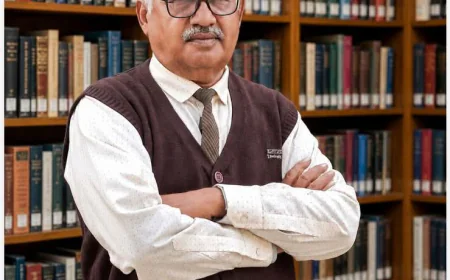
Dr. Vijay Garg Retired Principal Malout Punjab
What's Your Reaction?
 Like
0
Like
0
 Dislike
0
Dislike
0
 Love
0
Love
0
 Funny
0
Funny
0
 Wow
0
Wow
0
 Sad
0
Sad
0
 Angry
0
Angry
0

Surag Bureau पत्रकारिता के क्षेत्र में सक्रिय हैं और स्थानीय व राष्ट्रीय मुद्दों पर समाचार लेखन करते हैं। हमारा उद्देश्य पाठकों तक सटीक, निष्पक्ष और विश्वसनीय जानकारी पहुंचाना हैं।














Comments (0)