
Women: Then and Now — A Journey of Change, Courage, and Continuity


Women: Then and Now — A Journey of Change, Courage, and Continuity
The story of women is the story of humanity itself. From ancient civilizations to the digital age, women’s lives have been shaped by traditions, struggles, resistance, and remarkable transformations. While the past reveals deep inequalities and silenced voices, the present reflects resilience, empowerment, and a continuing quest for equality. The contrast between women then and women now tells a powerful story of social change—unfinished, yet unstoppable.
Women Then: Bound by Tradition and Silence In most traditional societies, women’s roles were narrowly defined. Their lives revolved around the home, family, and caregiving, with little access to education, property, or decision-making. Limited Education: Girls were often denied schooling, as education was considered unnecessary or even dangerous for women. No Legal Identity: Women had minimal legal rights—unable to vote, own property, or choose their life partners freely. Economic Dependence: Employment opportunities were scarce, and unpaid domestic work went unrecognized. Social Control: Customs, early marriage, and rigid gender norms dictated behavior, appearance, and ambitions. Invisible Contributions: Despite their crucial roles in agriculture, crafts, and households, women’s labor was rarely acknowledged. Yet even in these restrictive times, women resisted—quietly and boldly. Social reformers, freedom fighters, writers, and caregivers laid the groundwork for change.
Women Now: Voices Rising, Boundaries Breaking The modern era has witnessed a dramatic shift in women’s status. While challenges remain, women today enjoy far greater freedom, visibility, and opportunity than ever before. Access to Education: Women now dominate classrooms in many countries and excel in science, medicine, law, and technology. Economic Independence: From entrepreneurs to professionals, women contribute significantly to economies worldwide. Political Participation: Women serve as voters, lawmakers, ministers, and heads of state. Legal Rights: Laws now protect women’s rights to property, work, education, and personal freedom. Self-Expression: Women today assert their identities, choices, and voices through media, literature, art, and activism. Digital platforms have further amplified women’s voices, connecting movements across borders and generations. What Has Changed—and What Hasn’t What has changed: Freedom of choice in education, career, and marriage Visibility in public and professional life Recognition of women’s rights as human rights What persists: Gender pay gaps Unequal domestic burdens Violence and discrimination Social judgment and unrealistic expectations Progress has been uneven—shaped by geography, class, culture, and access to resources. The Role of Education and Awareness Education has been the single most powerful tool in transforming women’s lives. An educated woman not only uplifts herself but also her family and community.
Awareness, legal reform, and changing mindsets are equally crucial to ensure equality moves beyond paper into practice. Looking Ahead: The Future of Women The future calls for partnership, not hierarchy—where men and women grow together. True empowerment lies not only in opportunity but in respect, safety, and shared responsibility. As women continue to challenge norms and redefine success, their journey becomes a collective one—benefiting societies, economies, and humanity at large. Conclusion Women then lived in shadows, their strength hidden and voices muted. Women now stand in the light—speaking, leading, creating, and transforming the world. Yet the journey is not complete. Remembering the past honors the struggle; shaping the present ensures a more equal future. When women rise, the world rises with them.
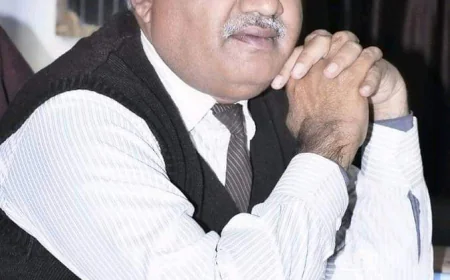
Dr Vijay Garg Retired Principal Educational columnist Eminent Educationist street kour Chand MHR Malout Punjab
What's Your Reaction?
 Like
0
Like
0
 Dislike
0
Dislike
0
 Love
0
Love
0
 Funny
0
Funny
0
 Wow
0
Wow
0
 Sad
0
Sad
0
 Angry
0
Angry
0
Surag Bureau पत्रकारिता के क्षेत्र में सक्रिय हैं और स्थानीय व राष्ट्रीय मुद्दों पर समाचार लेखन करते हैं। हमारा उद्देश्य पाठकों तक सटीक, निष्पक्ष और विश्वसनीय जानकारी पहुंचाना हैं।












Comments (0)